

Navigating the Challenges of Casting for Teen Performers Aged 14-16 and Staying Motivated

Updated: May 1
Casting for young performers between the ages of 14 and 16 can feel like walking a tightrope. As a parent of a teen actor, singer or dancer, you might notice that auditions slow down during this period. This is not a reflection of your child’s talent or potential. Instead, it’s a common phase in the performing arts industry where opportunities become less frequent, and confidence can waver. We are going to share some insights and practical advice to help you and your teen stay focused, motivated, and prepared for the next steps in their journey.
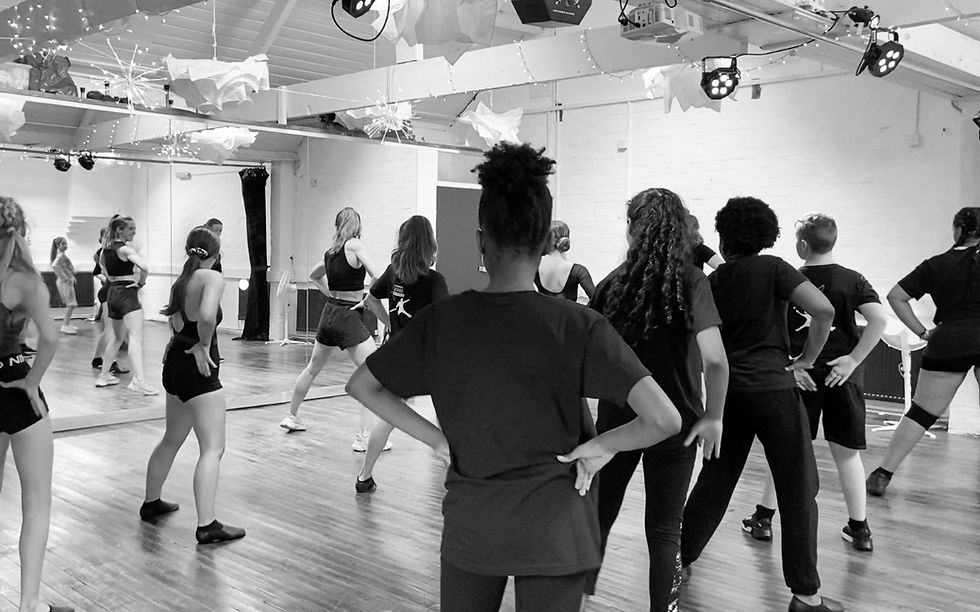
Why Casting Slows Down for Teens Aged 14-16
When we created TMA Collective, we noticed a significant gap in support for performers aged 15 to 20. This group is often overlooked because:
They are too old for child casting roles or not old enough to be "out of licensing"
They are not yet ready for full drama school training.
They face academic pressures like GCSEs and college applications.
Casting opportunities become fewer and less targeted.
This means your teen might experience fewer auditions and less feedback, which can feel discouraging. It’s a phase where many young performers see their confidence dip, not due to lack of ability but because the industry offers fewer stepping-stones at this stage.
Understanding the Industry’s Unique Challenges
The performing arts industry is structured in a way that creates natural gaps. For example, kids talent agencies often focus on younger children, while drama schools and professional training programmes target older teens and young adults. This leaves teens in the 14-16 age range in a kind of limbo.
Your teen might ask, “How do I get an agent?” or “What are the steps to drama school?” These questions are common but the answers aren’t always straightforward. Many UK talent agents, including Leicester talent agents, look for performers who have already started formal training or have some professional experience. This can make it harder for teens to break through during this transitional period.
Staying Focused and Motivated Through the Slow Period
The key to navigating this challenging time is to stay focused on training and development. Here are some practical steps you can encourage your teen to take:
Keep training regularly: Whether it’s acting classes, singing lessons, or dance workshops, consistent practice builds skills and confidence.
Explore different styles and techniques: This broadens your teen’s range and keeps their passion alive.
Attend workshops and masterclasses: These can provide valuable feedback and networking opportunities.
Build a strong support network: Connect with other young performers, parents, and professionals who understand this stage.
Set realistic goals: Focus on personal growth rather than immediate casting success.
Remember, this period is about laying a strong foundation. The skills and resilience developed now will pay off when more casting opportunities arise.
How Parents Can Support Their Teens
As a parent, your role is crucial in helping your teen maintain motivation and perspective. Here are some ways to support them:
Encourage patience and persistence: Remind your teen that slow periods are normal and temporary.
Celebrate small wins: Progress in training or positive feedback is worth acknowledging.
Help manage expectations: Explain how the industry works and why this phase is common.
Stay involved but avoid pressure: Show interest without adding stress.
Research and connect with trusted UK talent agents or kids talent agencies: Finding the right representation can make a difference when your teen is ready.
Preparing for the Next Steps to Drama School and Professional Work
While your teen is training and gaining experience, it’s a good time to start thinking about the future. Drama school applications often require auditions, interviews and a portfolio of work. Here’s how you can help your teen prepare:
Build a professional showreel or portfolio: Include clips from performances, workshops, and training.
Practice audition techniques: Work on cold reading, monologues, and singing pieces.
Research drama schools: Understand their requirements and deadlines.
Seek advice from a Leicester talent agent or other UK talent agents: They can provide guidance on how to get an agent and what schools look for.
Encourage your teen to stay open to different opportunities: Theatre, TV, film, and commercial work all offer valuable experience.
Final Thoughts on Supporting Teen Performers Through Casting Challenges
The casting slowdown between ages 14 and 16 is a natural part of many young performers’ journeys. It’s not a sign of failure or lack of talent. Instead, it’s a time to focus on building skills, confidence, and resilience. Staying committed to training and understanding the industry’s unique challenges will prepare your teen for the exciting opportunities ahead.
If you’re wondering how to get an agent or what the next steps to drama school are, start by connecting with our trusted UK talent agency who specialise in supporting teens. Our expertise can help your teen navigate this phase with confidence.
Visit: https://www.tuckermgmt.uk/tma-collective to discover more
Apply for representation with TM: https://www.wixforms.com/f/7385112997921817662

Comments